
The Importance of Travel Medication and staying prepared

Source: RapiDr Instagram
If you’re reading this article, you’re likely a parent who searched “travel medicine online delivery” or the girlie preparing for the trip that made it out of the groupchat – and we love you for that.
Why should we Teleconsult for travel preparation?
More people across Singapore and Southeast Asia are now turning to Singapore online doctor teleconsults as part of smart travel preparation and for good reason. A quick teleconsult helps you stay healthy, informed, and fully ready for your next adventure. At RapiDr, our online doctors make this step simple, friendly, and accessible whenever you need it. You get trusted medical advice and medication delivery from a licensed doctor, right from the comfort of home.
Source
Channel Newsasia
Why should I bring medications when travelling overseas?
Staying Prepared: To provide relief for possible minor illnesses that you may have while travelling. In countries where Traveller’s Diarrhoea is common, having ample medication supply can save you from disrupted plans and maybe afew embarassing moments.
Long Term Plans : Ensure you are still taking your medications for long-term illnesses.
Parasites: More common in places with poor sanitation (e.g., Giardia, Cryptosporidium). This is common in areas such as Sub-Saharan Africa, Latin America, Middle East or areas with developing stages of infrastructure.
Prevention: To protect against certain conditions or diseases which you may get because of visiting or performing certain activities in a particular country. Jump on to the next section to find out more
Source
Health Hub Singapore
What common medications should I bring for travel?
This is a Frequently Asked Question (FAQ) to our RapiDrs. For common minor ailments, the medications to bring will depend on the symptoms which you are concerned about. Here's a rough guide of what it should look like.
Click on each of the items to expand them. Do note that all the products here are not representative of a proper diagnosis or treatment plan and for general awareness. If you are unsure, raise a consult with RapiDr to find out more.
-
Paracetamol: various Panadol preparations, Progesic, Decolgen preparations, Tylenol
Ibuprofen: Nurofen, Nurofen Express, Nuromol
-
Cetirizine: Adezio, Zyrtec-R
Loratadine: Clarityn
Fexofenadine: Telfast
Chlorpheniramine: Actavis Chlorpheniramine, Allersin-F, Antamin
-
Pseudoephedrine: Pseudorine, Zyrtec-D, Clarityn-D, Telfast-D, De-cold
Phenylephrine: Panadol Cold Relief, Panadol Sinus Max
Oxymetazoline: Iliadin nasal drop, Clariclear nasal spray
Xylometazoline: Otrivin nasal drop/spray
-
Tussidex Forte, Robitussin DM, Metophan, Dexcophan, Tussils
-
Benzydamine: Difflam preparations
Others: Strepsils, Vicks, Mac, Zecuf and honey lozenges
-
N-acetylcysteine: Fluimucil
Ambroxol: Mucosolvan
Bromhexine: Vasican, Mucolix
Guaifenesin: Robitussin EX, Woods, Breacol
-
Loperamide: Imodium
Diphenoxylate: Dhamotil
Activated Charcoal: Ultracarbon, Norit
Lyophilised Bacteria: Lacteol Fort
Dioctahedral smectite: Smecta
-
Dimenhydrinate: Novomin
Ginger: Blackmores Stomach Settler
Cinnarizine: Cinna, Cinnaron
If you are still reading and interested, here is a checklist of conditions suitable for telemedicineHow much medication should I bring?
For chronic medications (e.g. those for the treatment of diabetes, high cholesterol, high blood pressure, blood-thinning etc.), you will need to ensure you have enough to last the duration of your trip. You may consider packing twice the amount of chronic medications you need for the trip duration and pack each set in a different bag or luggage. This is in case your luggage is lost or your trip is extended. You may want to ask your doctor or pharmacist to assist you in providing a medication list for you to follow and check them off as you pack the necessary.
For medications to protect against certain conditions or diseases, consult a pharmacist (e.g. for anti-malarial medications) or doctor (e.g. for anti-malarial medications, high altitude sickness medications for trekking).
How many times a day they should be taken?
How many days they should be used to treat the medical condition
How long you are travelling for
The number of people in your travel group who require them
Remember the golden rule! Bringing more rather than less medications in case of any unexpected incidents. Ask your pharmacist or doctor for advice if you have doubts!
Source: RapiDr Instagram
Does RapiDr Do Medication Deliveries?
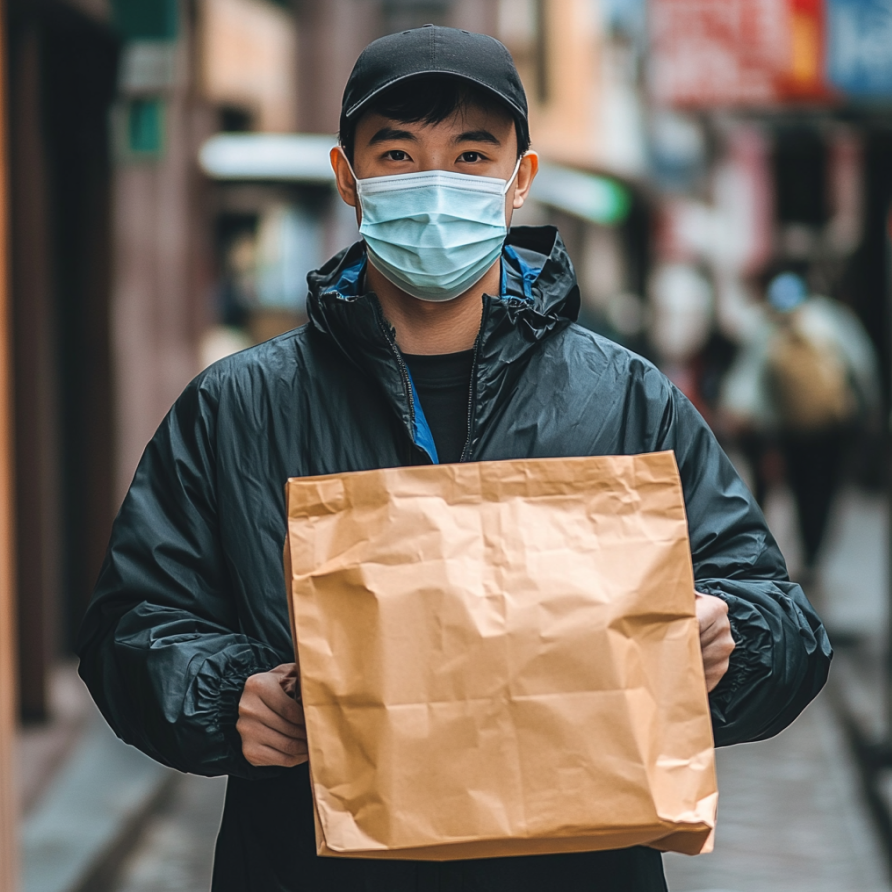
Most of the medications used to manage minor ailments may be easily obtained over one of our fully licensed online doctors on RapiDr.
Raise a consult with RapiDr and speak to our doctors. Our doctors would dispense any medication after a proper assessment and understanding of your needs to ensure you are properly prepared for your trip
Request a teleconsult afew days before your departure to ensure that you have enough medication. You may also ask your doctor to prepare a copy of your medical history with a list of medications which you are taking for you to bring overseas.
So…. download the app please
Frequently Asked Questions (FAQ) and essential knowledge for your packing
Here’s some bonus content from a team that always gets the travelbug
If you would like to carry liquid medications into the aircraft, each bottle should only have a maximum volume of 100ml, and they should be placed inside a ziplock bag, whose volume in total cannot exceed 1L. If the medication bottles are larger than 100ml, you must pack them into a check-in luggage.
Pack your medications apart from your toiletries.
Carry all medications and supplies in their original containers or packaging.
Medications which are formulated as tablets or lozenges can be either hand-carried or checked-in.
All inhalers may be hand-carried onto the aircraft.
Insulin preparations and devices used to inject the insulin (e.g. needles) should be hand-carried onto the aircraft. Upon arriving at airport security, you should declare to the officers that you have these items and allow these items to be passed through the necessary scans.
Bring a copy of your prescription or medication list to answer any questions from airport security regarding the contents of your medication.
How do I store my medications during travel?
Medications in general should be stored in a cool and dry place. Both the aircraft cabin and the luggage hold of the aircraft meet the criteria. You may ask your pharmacist or doctor or refer to the product’s information leaflet for details.
Review Vaccinations & Preventive Health Measures
Heading to destinations with seasonal outbreaks or regional risks?
RapiDr online doctors can advise on:
Flu shots
Travel vaccinations
Food & water safety
Environmental precautions
Preventive medications
Partners we work with and accessible vaccination spots
ready for your trip?
Health is invaluable and staying prepared with the right information is important. Download and raise a consult from $8.90 with the new rapidr app to stay prepared!