
What is Food Poisoning in Singapore? When to See a Doctor Online?
Source: Pexels
What are some of the things you should know about Food Poisoning conditions in Singapore, and how can we manage it?
The National Centre for Infectious Diseases (NCID) defines Food Poisoning as "Food poisoning results from ingestion of food contaminated with chemicals (insecticides, methyl alcohol), micro-organisms (bacteria, fungi, viruses, parasites, algae) or its toxins (e.g. ciguatera poisoning). It includes ingestion of food containing natural toxins (e.g. puffer fish and poisonous mushrooms) but does not include food allergies." Food Poisoning" is commonly known as Gastroenteritis in the medical community and sometimes be interchanged colloquially.

Source
National Centre for Infectious Diseases (NCID)
What are some types and causes of of Gastroenteritis in Singapore?
Viral: The most common type of virus transmission in Singapore (e.g., Norovirus, rotavirus). This is usually from coming into contact with an infected person, or consuming contaminated food and water. Other common methods include improper hand hygiene or sharing utensils.
Bacterial: Mostly from ingesting food or water that is contaminated (E.g., Salmonella, E. Coli, Campylobacter). Common sources include raw meat, contaminated water and seafood.
Parasites: More common in places with poor sanitation (e.g., Giardia, Cryptosporidium). This is common in areas such as Sub-Saharan Africa, Latin America, Middle East or areas with developing stages of infrastructure.
Non-infectious: Caused by food intolerances (e.g., lactose intolerance, gluten sensitivity, food allergies), medications (e.g., antibiotics, chemotherapy) or inflammation (e.g., inflammatory bowel diseases such as ulcerative colitis or Crohn’s disease)
Source
Communicable Diseases Agency Singapore
What are some symptoms of Food Poisoning?
Diarrhoea with loose or watery stools
Blood in Stools
Abdominal Pain or Stomach Cramps, feeling of pins and needles in stomach.
Fever
Fatigue
Vomiting
Nausea
Fever Sweats
Source Singhealth Singapore
Please note that all symptoms here are not exhaustive and should not be taken as a confirmation or diagnosis. Please raise a consult with RapiDr from $8.90 to find out more. Refer to symptoms that can be commonly diagnosed and treated with Teleconsults with this article here.Who is likely to be more vulnerable to the exposure to Food Poisoning in Singapore?
Demographic variables are important Infants, young children, older adults and pregnant women are more susceptible to complications from Gastroenteritis. Another vulnerable group of people we should be more cautious would be with people chronic illnesses, undergoing chemotherapy or individuals with conditions such as diabetes that make them more prone to infections.
Source Singhealth Singapore
How is Food Poisoning usually treated in Singapore?
Rehydration : Rehydration is often the mainstay of ensuring patients recover well. Food Poisoning is usually self-recovering with no long-term impacts for most patients.
Avoiding Dairy : Patients are often advised to avoid dairy and other milk related products to reduce frequency and likelihood of diarrhoea.
Antibiotics : While most Food Poisoning cases are self-recovering, some patients with prolonged cases of high fevers and diarrhoea would be prescribed antibiotics.
Please note that all treatment plans here are not exhaustive and should not be taken as a confirmation or diagnosis. Please raise a consult with RapiDr from $8.90 to find out more. RapiDr provides medication deliveries. 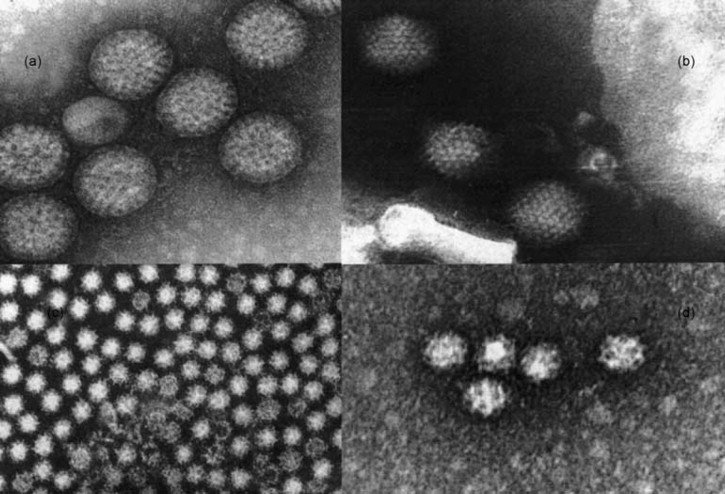
Source: ScienceDirect
Frequently Asked Questions (FAQ)
Congratulations on reaching this part of the article! Here are some quick things you should know about Food Poisoning that people have been asking.
How Do i prevent Food Poisoning?
Always wash your hand and observe basic hygiene when it comes to handling and consuming food.
Avoid eating or drinking from places that do not upkeep a basic level of hygiene when preparing food.
Wash your fruits and vegetables thoroughly before consumption.
Long How can Food Poisoning symptoms last?
Symptoms are usually self-limiting and patients usually observe a recovery period of 3 to 5 days. Patients are advised to visit doctors for assessment and obtain a course of antibiotics when the illness persists for longer than a week.What other information Can i Access? The Communicable Diseases Agency Singapore releases a weekly bulletin board of Food Poisoning cases in Singapore.
Can RapiDr Treat Food Poisoning and similar symptoms? It is important to note that a proper consultation is required before a confirmation of diagnosis can be made. Once a proper diagnosis is made, RapiDr can
your access to healthcare should never be poopy
Health is invaluable and staying prepared with the right information is important. Download and raise a consult from $8.90 with the new rapidr appto find out more from our RapiDrs.